In June 2025, the Malmesbury & District Natural History Society (MDNHS) approached the RWB Shed to ask whether members could assist with a bird-box project. The Society was looking to increase the number of suitable nesting boxes available for several local bird species, including Little Owls, Tawny Owls, Barn Owls, Kestrels and Swifts.
The request was particularly time-sensitive because some of the boxes were required before the start of the nesting season, while the owl boxes were needed later in the year for a Society talk.
Initial Meeting and Requirements
Following the initial contact in April, a meeting was arranged for the middle of May with three representatives from MDNHS:Miranda, Simon & David.
During the meeting, the Society explained its requirements and timescales. They wanted:
- One Kestrel box as soon as possible.
- Swift boxes as soon as possible, with some flexibility over the final design.
- Little Owl, Tawny Owl and Barn Owl boxes to be completed in time for a Society talk planned for the middle of November.
This gave the RWB Shed a clear programme of work, with the Kestrel and Swift boxes taking priority.
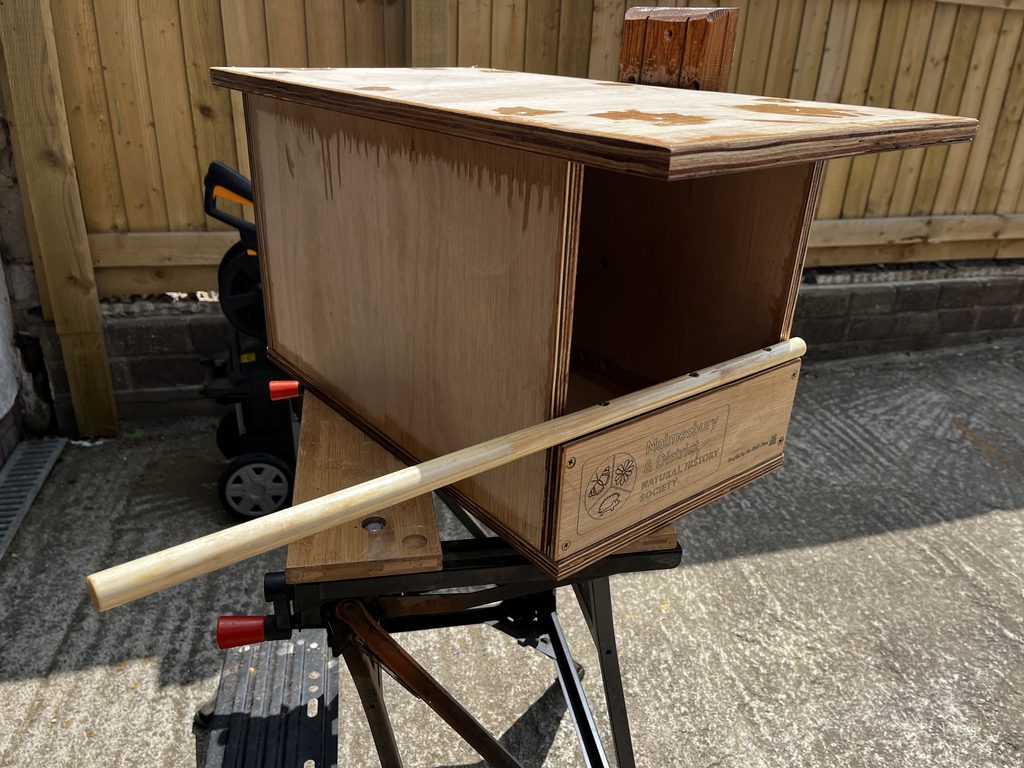
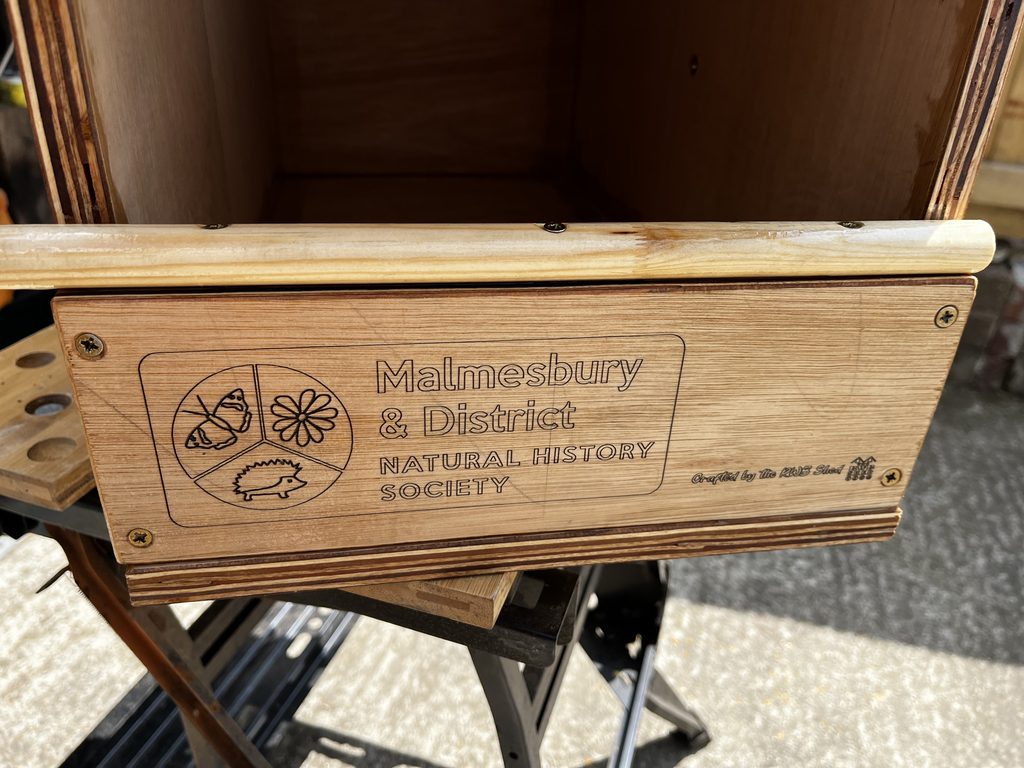
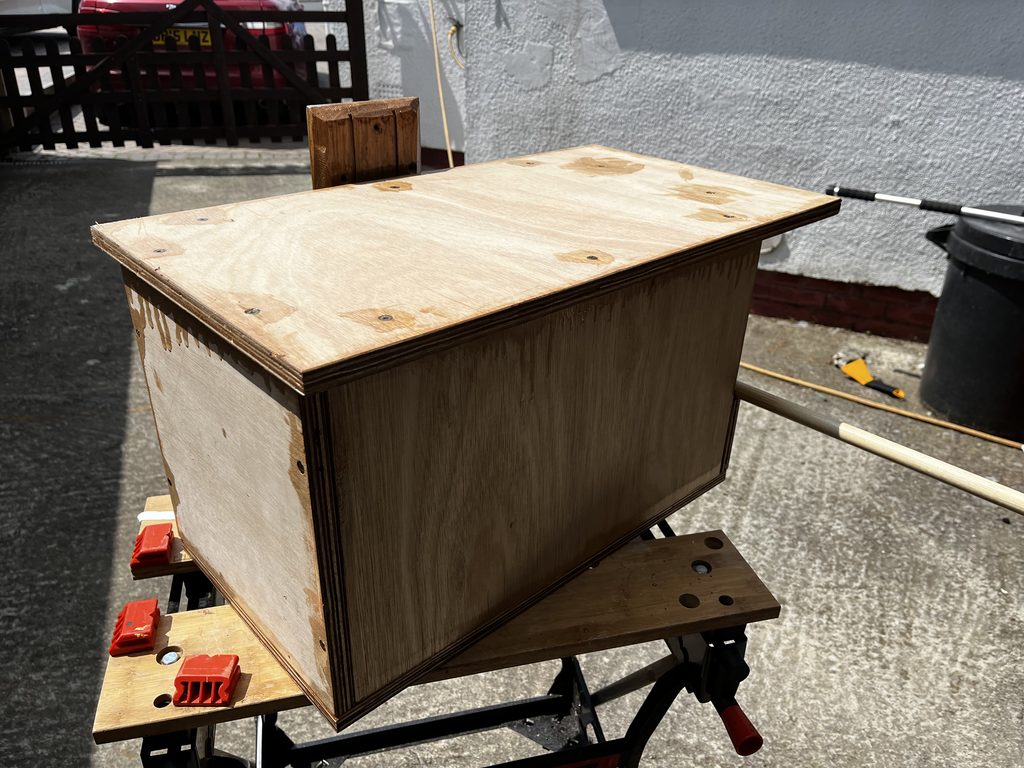
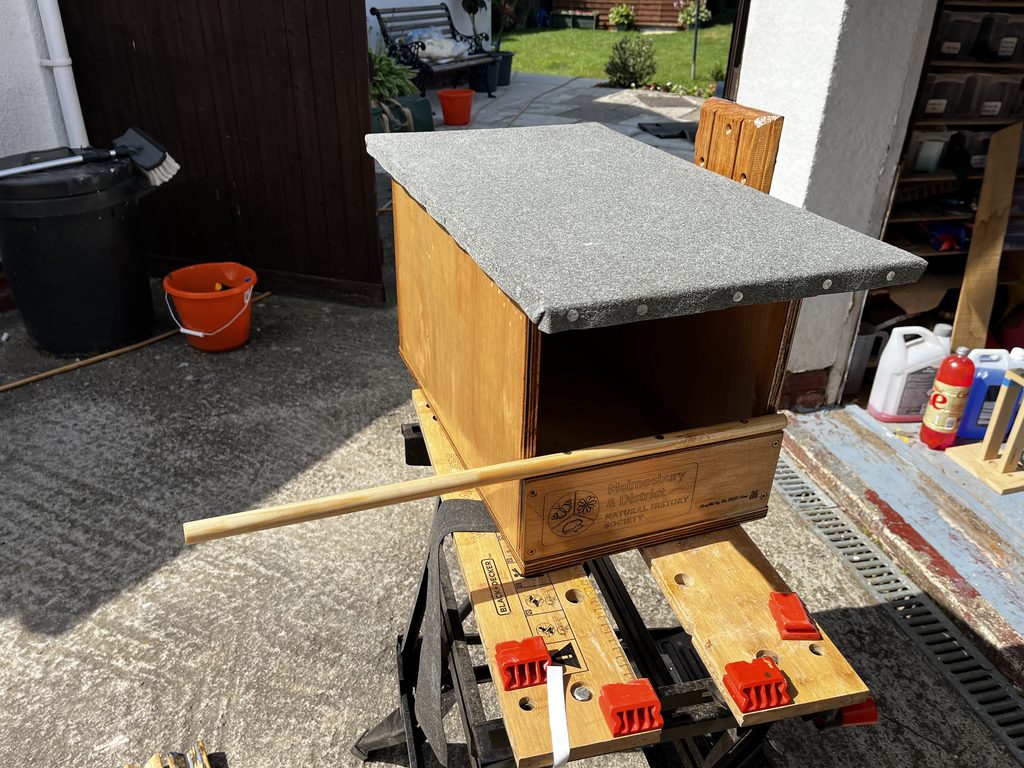
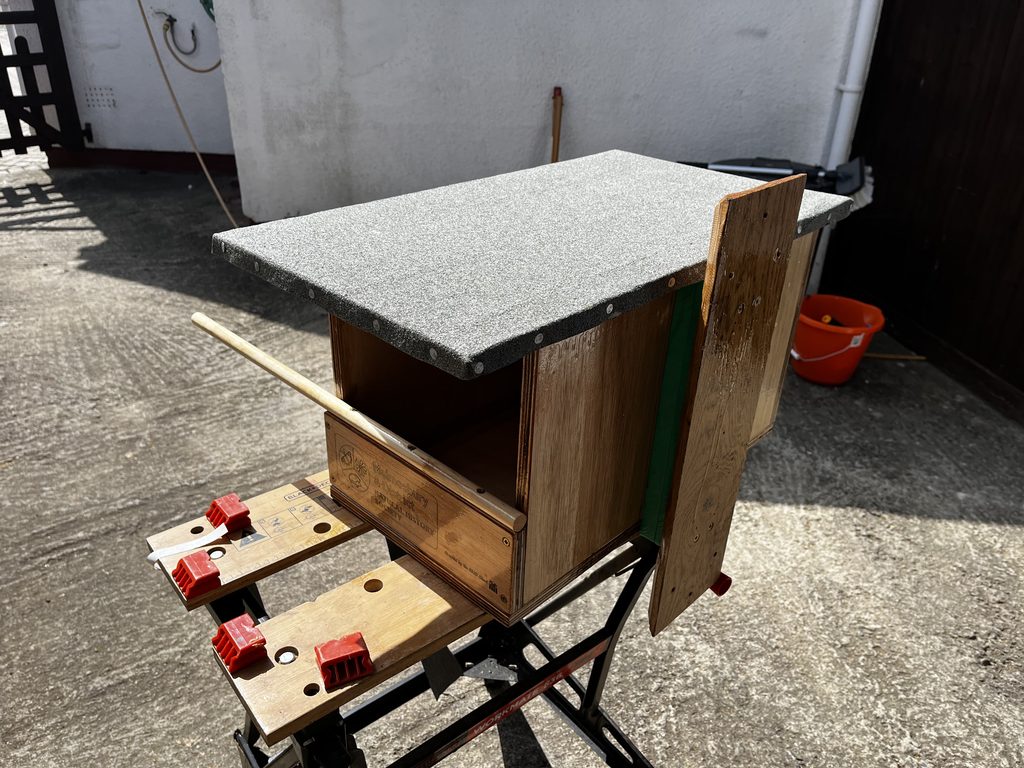
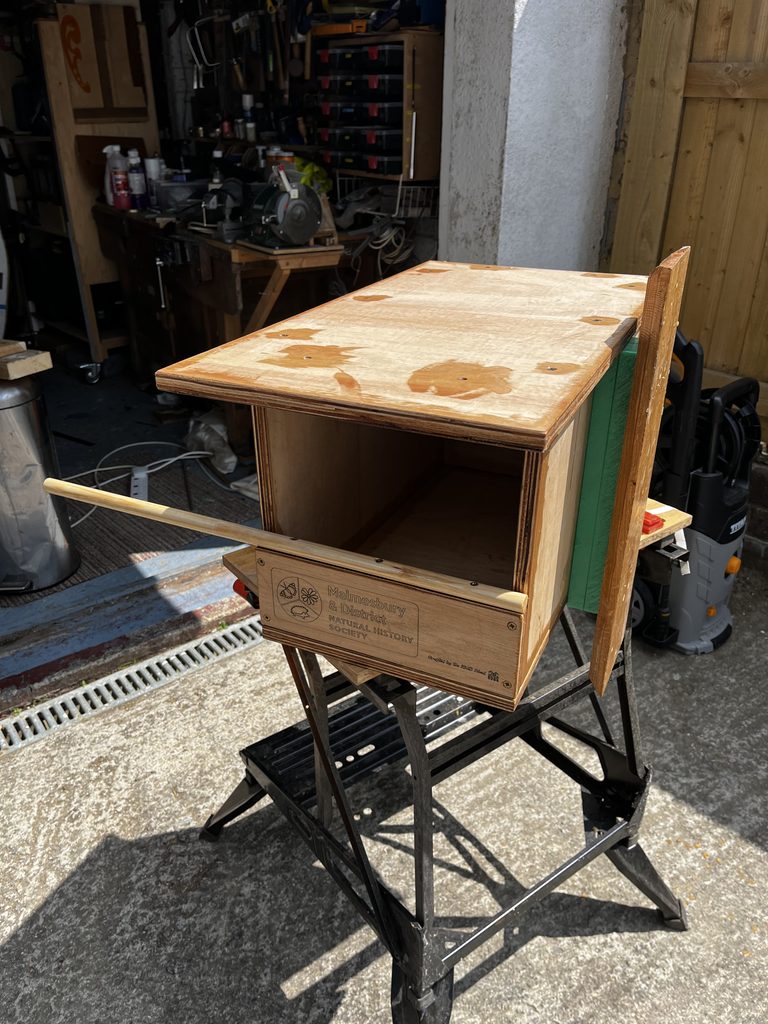
Kestrel Box
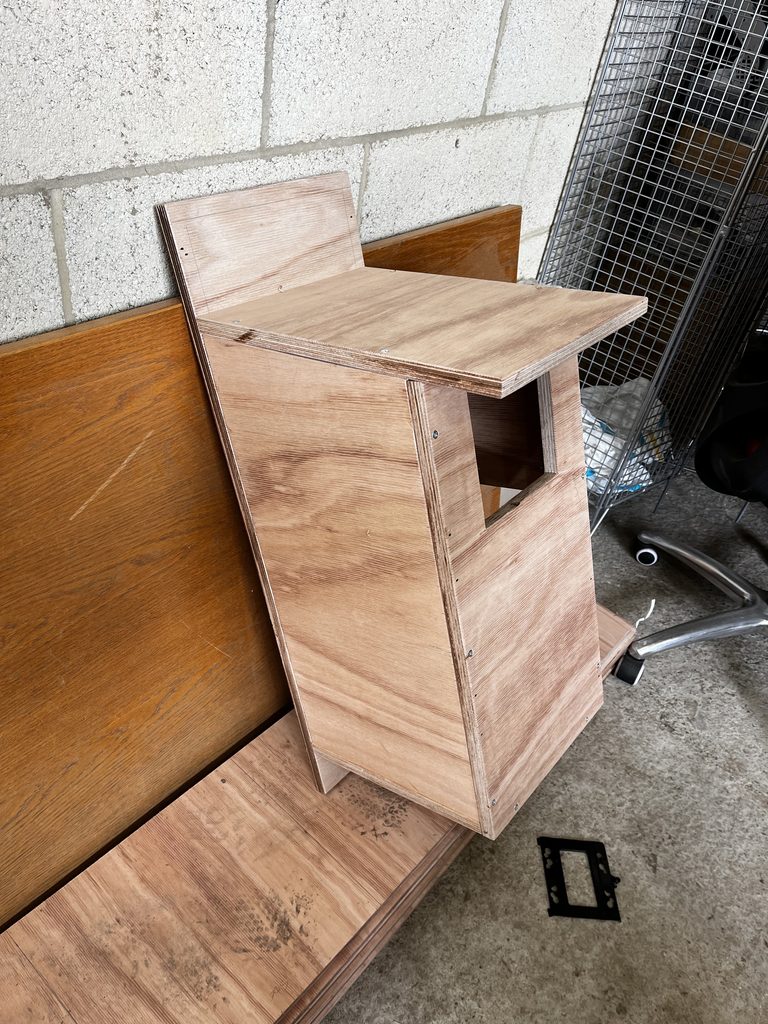
The Kestrel box was the first project undertaken. Work began shortly after the meeting, and the box was completed within the following couple of weeks.
Once finished, it was handed over to MDNHS, allowing the Society to proceed with its plans for installing the box.
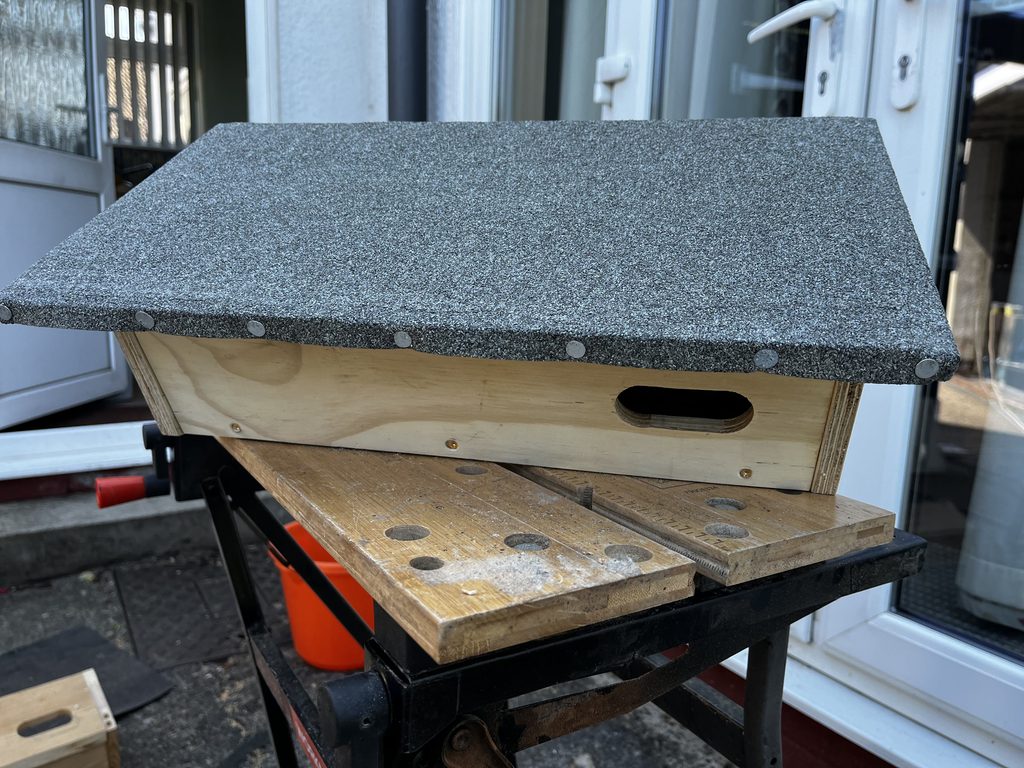
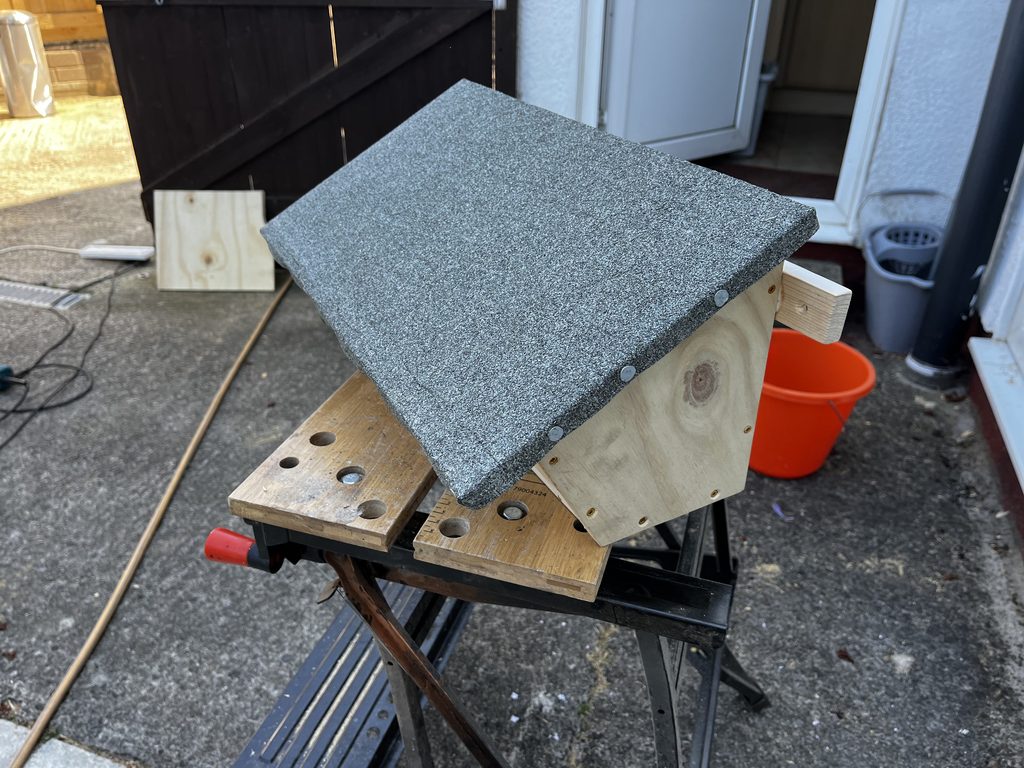
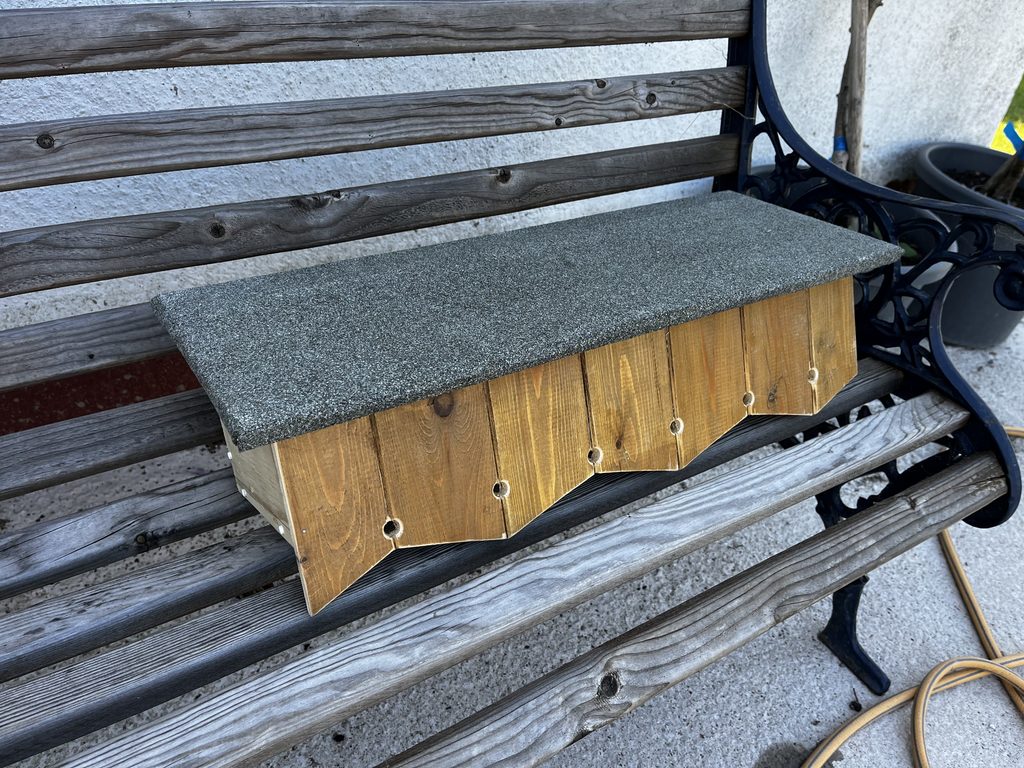
Swift Boxes
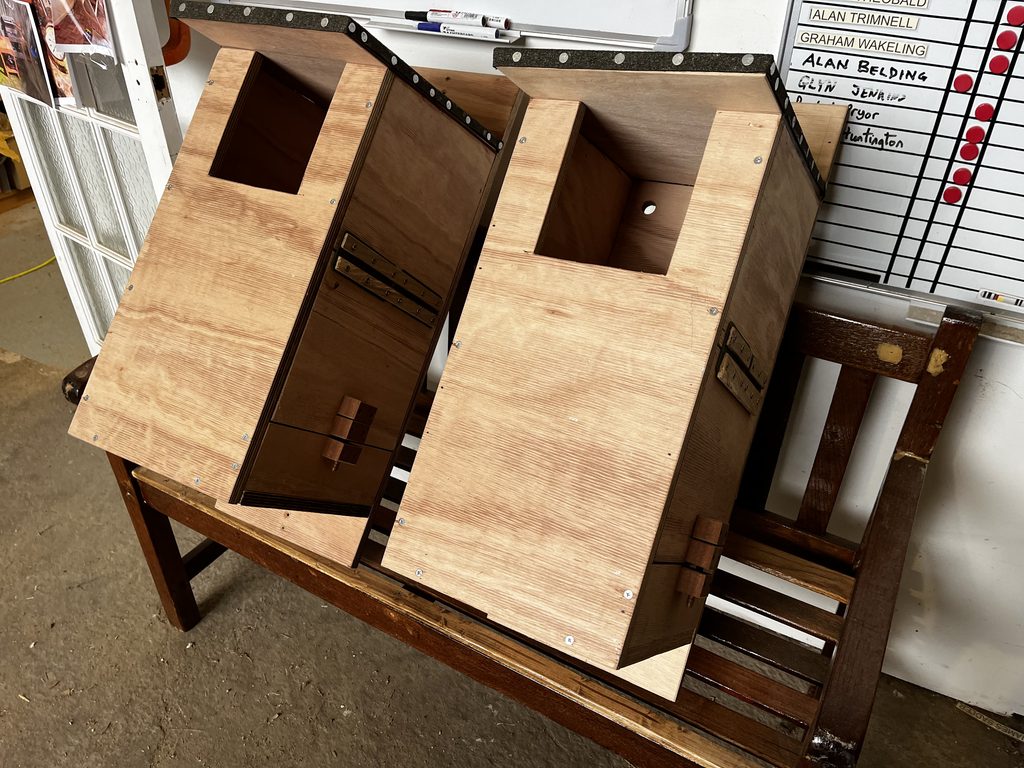
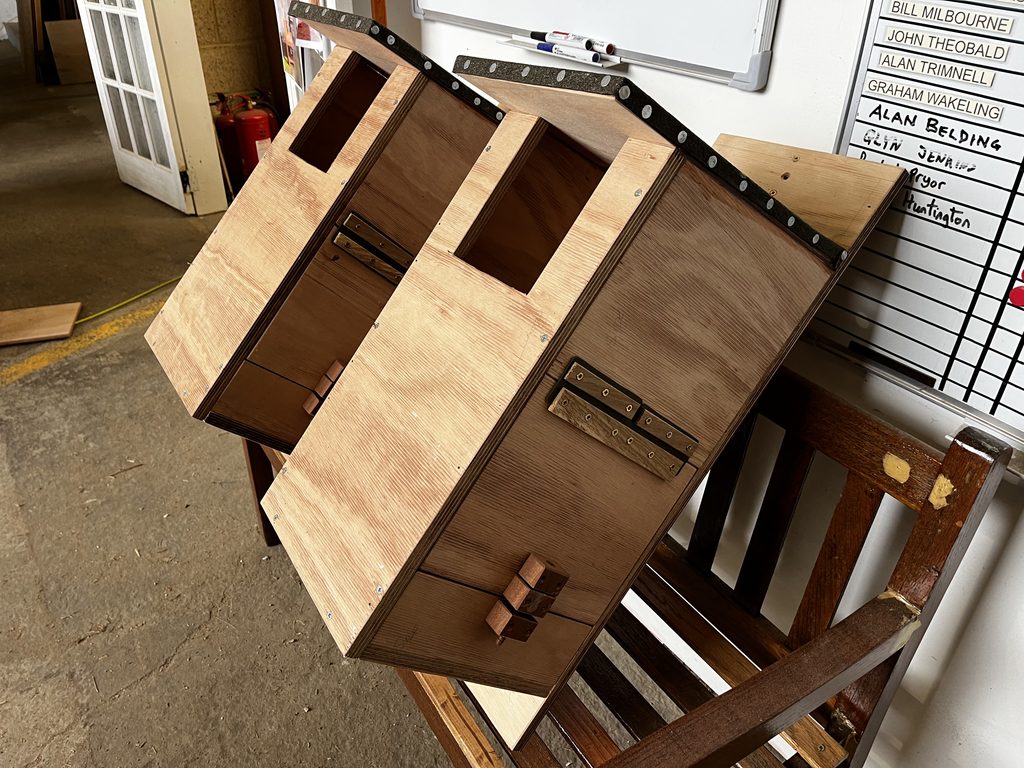
The Swift boxes involved some experimentation with different designs.
Initially, two possible designs were considered. A box was constructed using the first design and MDNHS were invited to the RWB Shed to inspect it. They collected the completed box and took it away for their project.
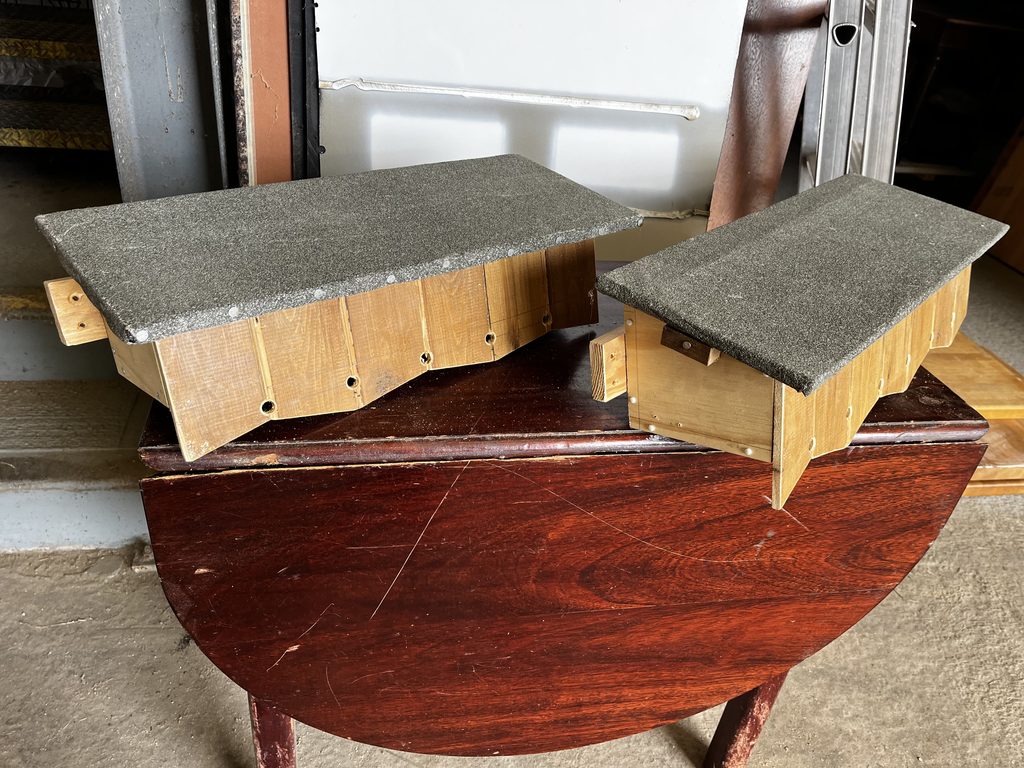
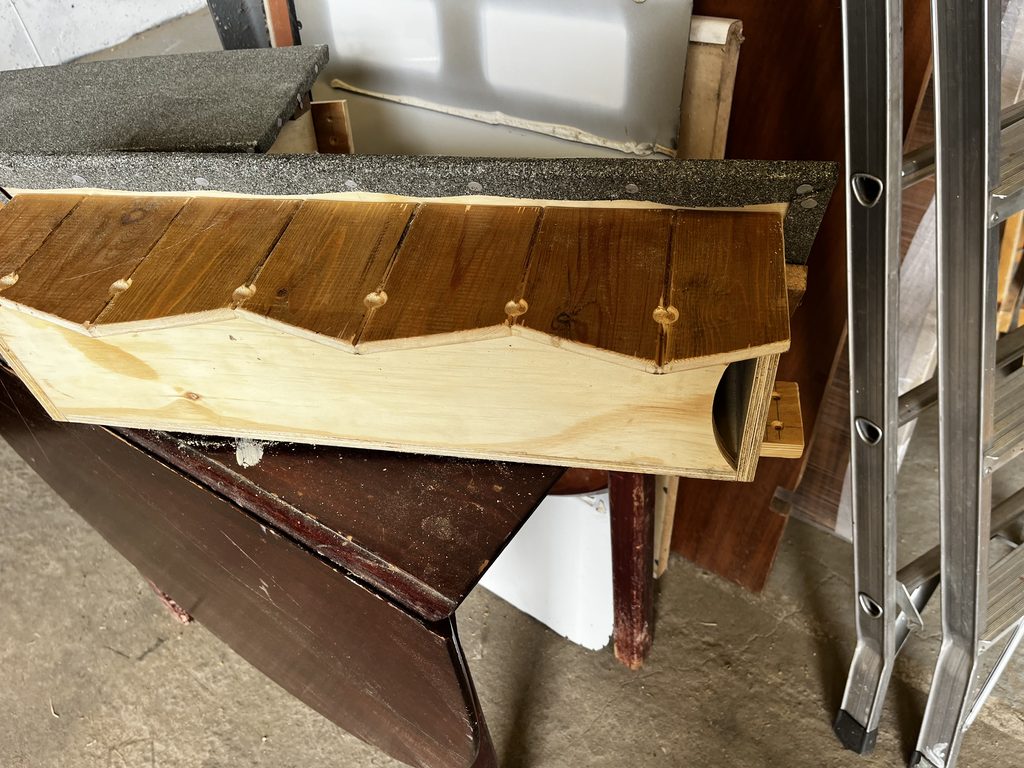
During further research, a different design was found which appeared to be a better solution. Over the following month, two boxes were constructed using this second design.
MDNHS were again contacted and given the opportunity to inspect the new boxes. They were happy with both designs, meaning that the Society had suitable options for its Swift-box requirements.
Owl Boxes
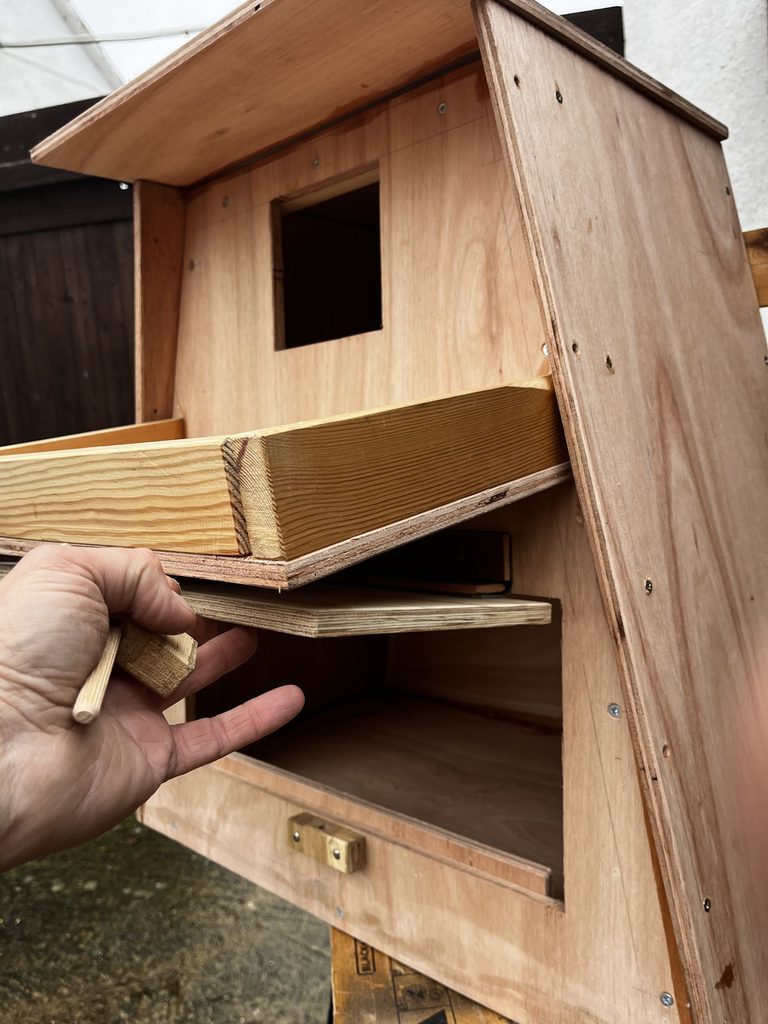
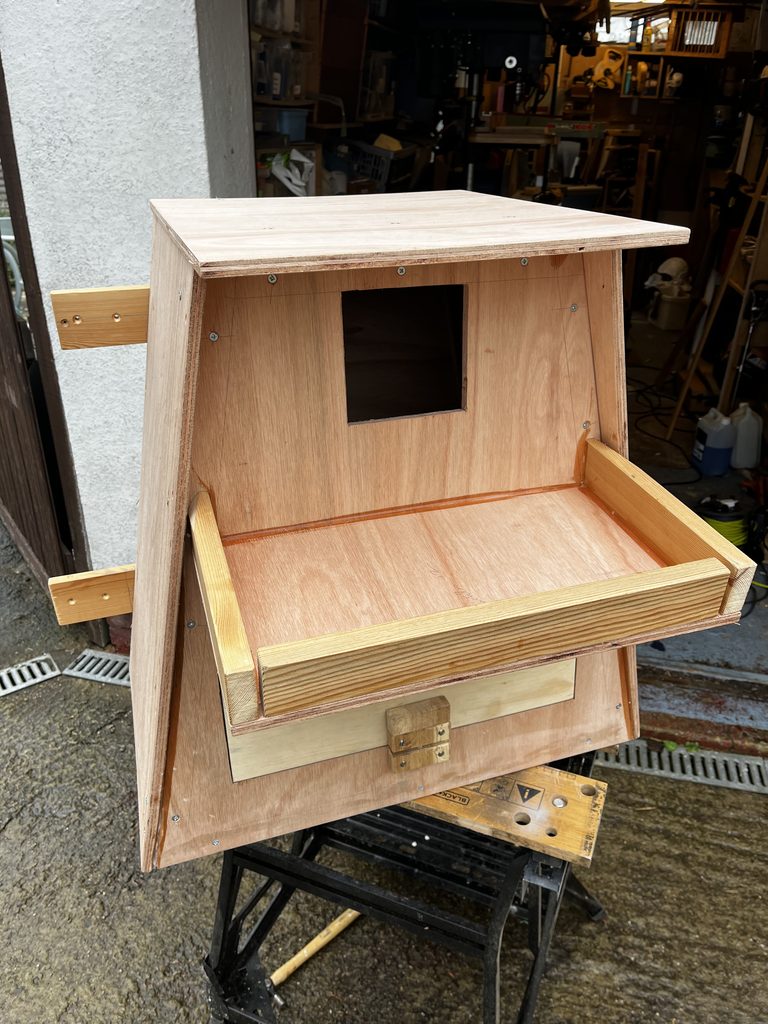
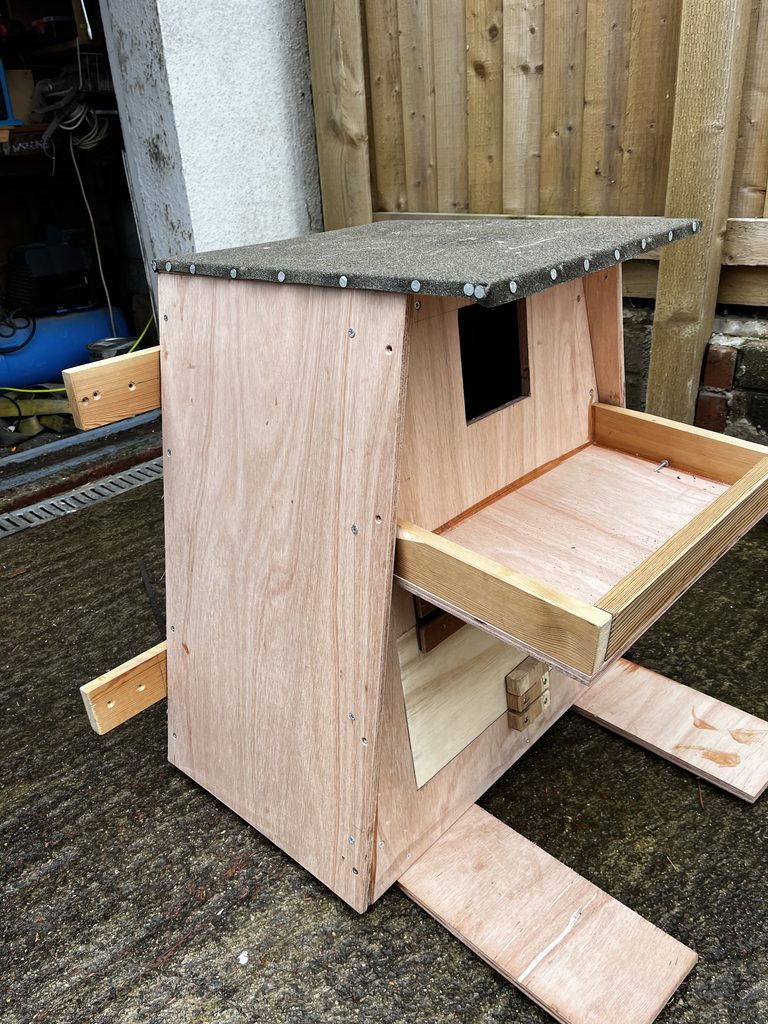
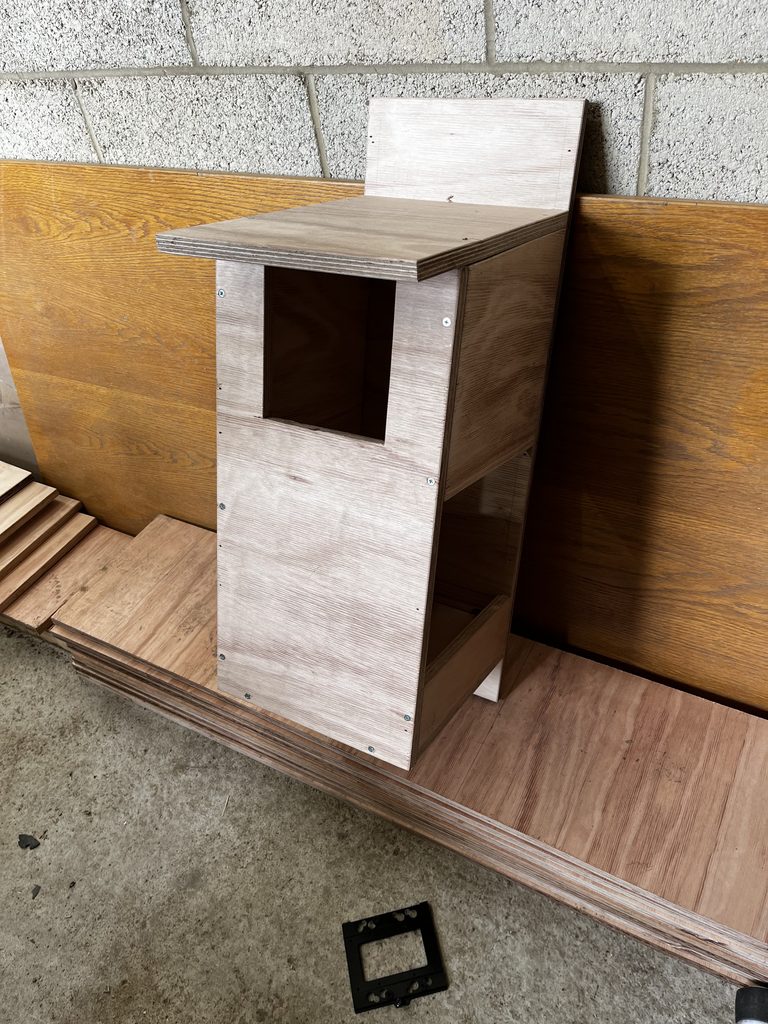
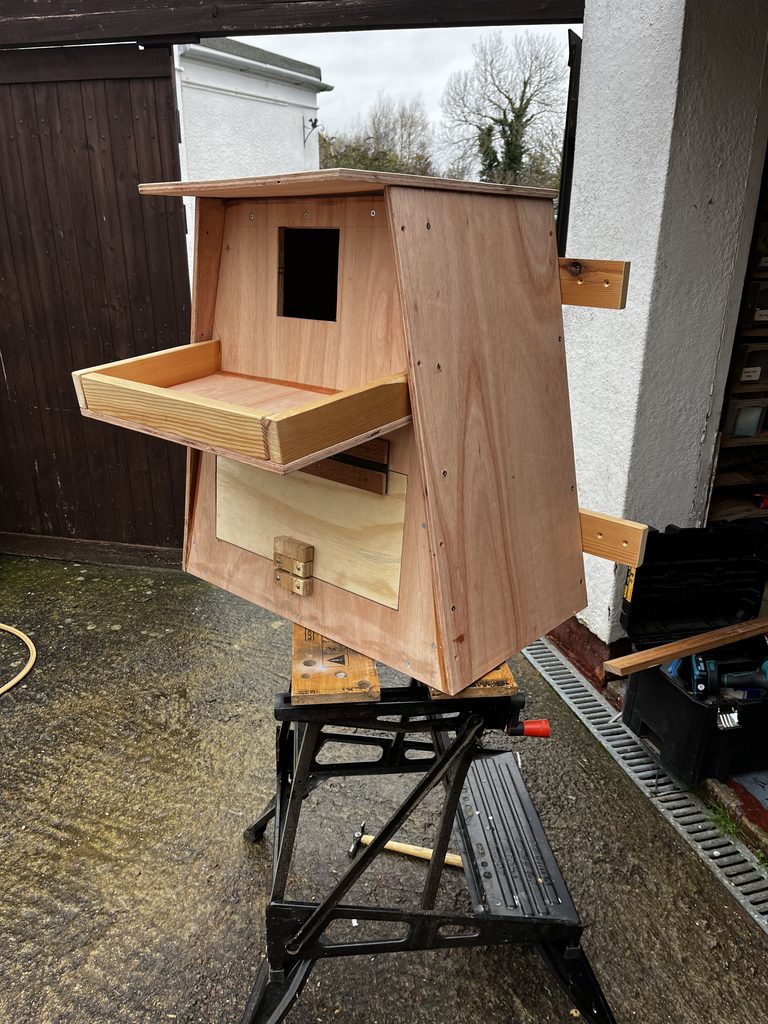
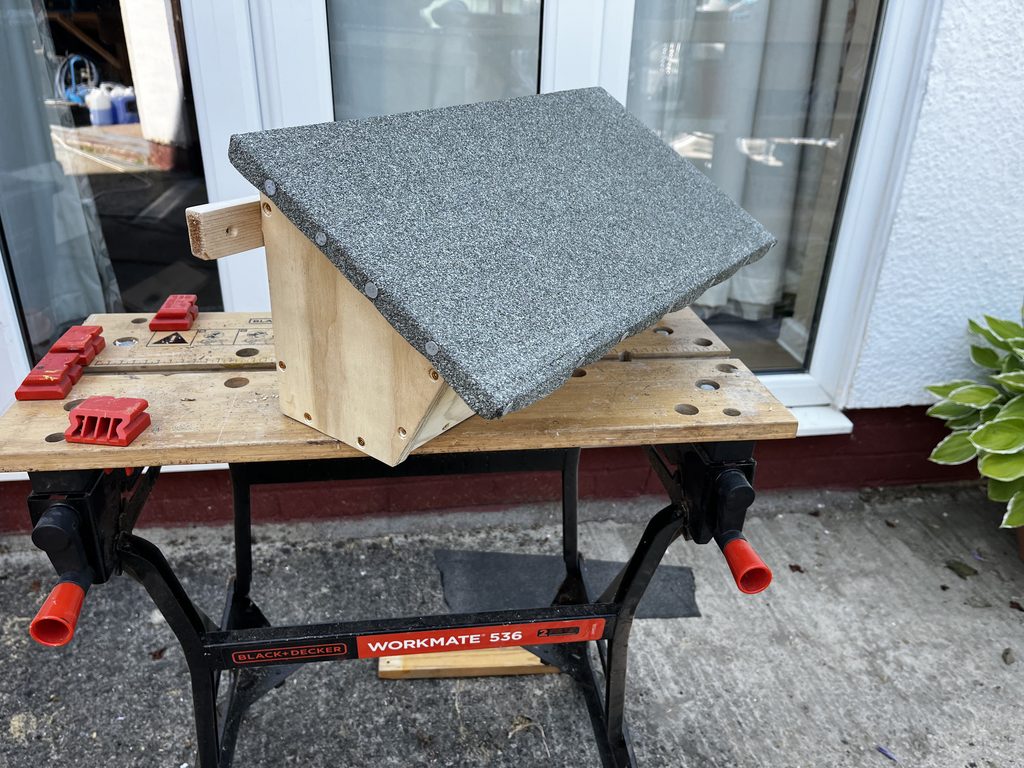
Once the Kestrel and Swift work had been completed, attention turned to the larger programme of owl boxes.
Suitable plans were sourced and timber was purchased from B&Q. Considerable thought was given to making efficient use of the timber. The components were organised to fit onto standard 8 × 4 ft sheets, allowing the timber to be cut efficiently.
The timber was then cut neatly and accurately, providing a good starting point for assembling the boxes.
The owl boxes were constructed in the following order:
- Little Owl boxes
- Tawny Owl boxes
- Barn Owl boxes
Problems With the Plans
Although having cutting lists and assembly plans was helpful, the plans were not always as clear or accurate as they could have been.
One of the main difficulties was that the assembly drawings did not always make it clear which panel was intended to be screwed to which other panel. This meant that some interpretation was required during construction.
The most significant problem occurred with the Barn Owl boxes. The cutting list did not match the dimensions shown in the assembly drawing. This discrepancy was only discovered when construction had already begun.
As a result, most of the panels had to be re-cut to the correct dimensions, after which the box could be assembled correctly. This created additional work and time but was successfully resolved.
Completion and Handover
Despite the problems encountered with the plans, the project was ultimately completed successfully.
All of the required bird boxes were:
- Constructed.
- Checked and assembled.
- Varnished to provide protection.
- Completed within the required overall timescale.
- Handed over to MDNHS.
The Society was therefore able to proceed with its bird conservation and nesting-box project.
Overall Findings
The project demonstrated that the RWB Shed was able to respond effectively to a community conservation project involving several different types of specialist bird boxes. It also provided members with an opportunity to research different designs, adapt to changing requirements and overcome construction problems.
The main lesson from the project was the importance of checking construction plans carefully before cutting timber. While the cutting lists and assembly drawings were useful, inconsistencies—particularly in the Barn Owl plans—resulted in unnecessary additional work.
Despite this, the project achieved its main objective: a complete range of bird boxes for Kestrels, Swifts, Little Owls, Tawny Owls and Barn Owls was successfully produced and handed over to the Malmesbury & District Natural History Society.
Project member: Steve
Kestrel Box
Swift Boxes
Owl Boxes